നിയമ വാർത്ത
“സത്യവും നീതിയും നിഷ്പക്ഷമായ നിയമ വാഴ്ചയും” — NIYAMA VAARTHA DAILY
304-ാം വകുപ്പ് ചുമത്തിയ കേസിൽ 304A തെളിഞ്ഞാൽ കുറ്റപത്രം ഭേദഗതി ചെയ്യണം: ഹൈക്കോടതിയുടെ സുപ്രധാന വിധി
304A കുറ്റം സ്വതന്ത്രമാണെങ്കിലും സാങ്കേതിക കാരണം പറഞ്ഞ് ശിക്ഷിക്കാതിരിക്കുന്നത് ശരിയല്ല; വിചാരണക്കോടതിയുടെ വിധി റദ്ദാക്കി പുനഃപരിശോധനയ്ക്ക് മടക്കി (Remand).
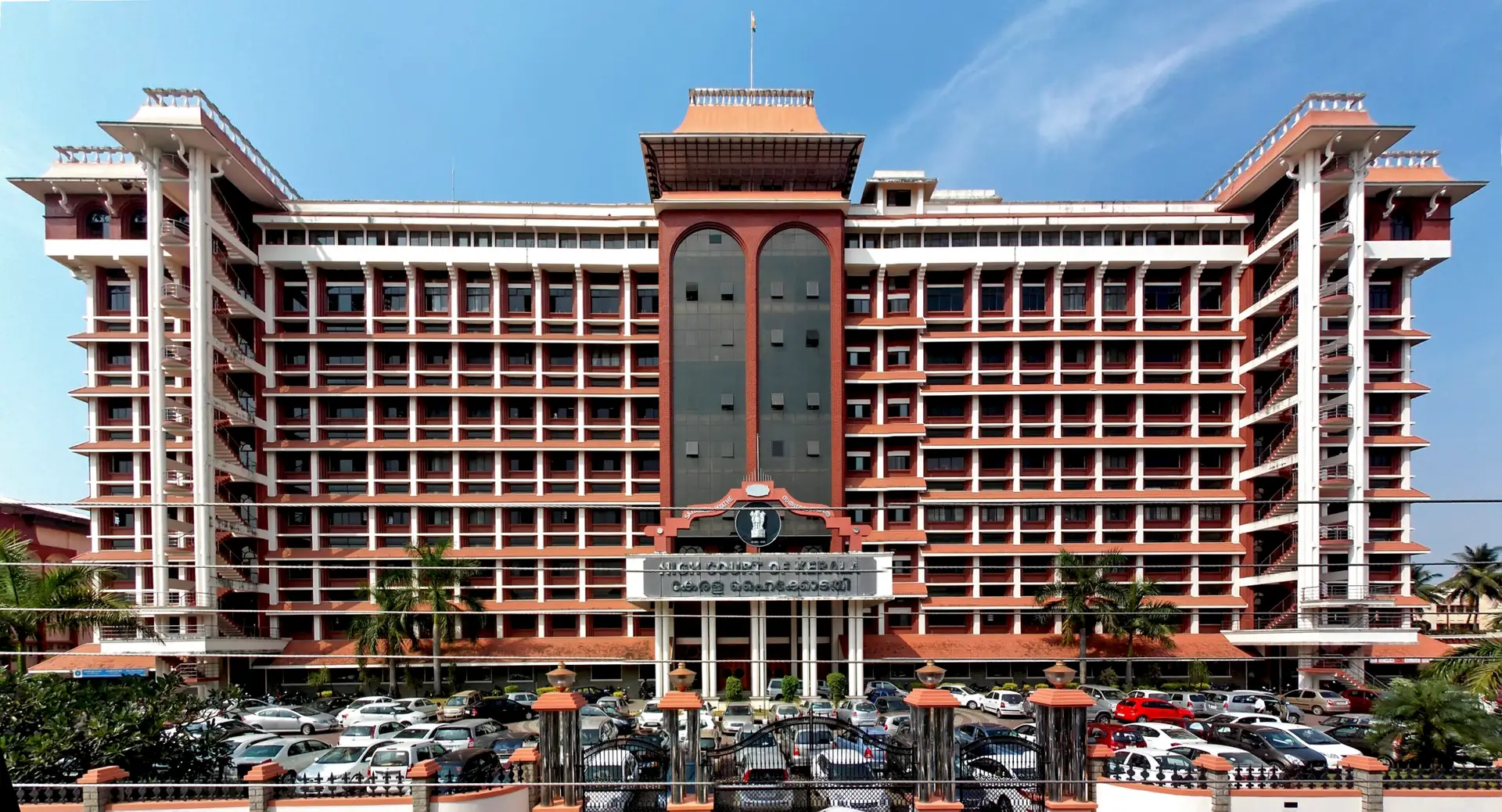
കേരള ഹൈക്കോടതി സമുച്ചയം — എറണാകുളം ഫസ്റ്റ് അഡീഷണൽ സെഷൻസ് കോടതിയുടെ വിധി റദ്ദാക്കി ജസ്റ്റിസ് എ. ബദറുദ്ദീൻ പുറപ്പെടുവിച്ച ഉത്തരവിന്റെ പശ്ചാത്തലം.
വീഡിയോ വാർത്ത (Video Report)
YouTube-ൽ കാണുകവീഡിയോ വിശദീകരണം: ലിമു വിൻസെന്റ് വേഴ്സസ് സ്റ്റേറ്റ് ഓഫ് കേരള (2026 (8) KLR 35) കേസിലെ ഹൈക്കോടതി വിധിയുടെ ലളിതമായ വിശകലനം മുകളിലെ വീഡിയോയിൽ കാണാം.
കൊച്ചി: മോട്ടോർ വാഹന അപകടക്കേസുകളിൽ ഇന്ത്യൻ ശിക്ഷാനിയമം (IPC) 304-ാം വകുപ്പ് (കുറ്റകരമായ നരഹത്യ) ചുമത്തി വിചാരണ പൂർത്തിയാക്കിയ ശേഷം, പ്രതി ചെയ്തത് 304A വകുപ്പ് പ്രകാരമുള്ള (അശ്രദ്ധമൂലമുള്ള മരണം) കുറ്റമാണെന്ന് തെളിഞ്ഞാൽ പ്രതിയെ വെറുതെ വിടുകയല്ല, മറിച്ച് ക്രിമിനൽ നടപടിക്രമം 216-ാം വകുപ്പ് (BNSS Sec 239) പ്രകാരം കുറ്റപത്രം ഭേദഗതി ചെയ്ത് ശിക്ഷാവിധി പ്രഖ്യാപിക്കുകയാണ് വേണ്ടതെന്ന് കേരള ഹൈക്കോടതി വിധിച്ചു.
എറണാകുളം ഫസ്റ്റ് അഡീഷണൽ സെഷൻസ് കോടതിയുടെ ശിക്ഷാവിധിക്കെതിരെ പ്രതി സമർപ്പിച്ച അപ്പീൽ ഹർജി ഭാഗികമായി അനുവദിച്ച് ജസ്റ്റിസ് എ. ബദറുദ്ദീൻ ആണ് ഈ സുപ്രധാന വിധി പ്രസ്താവിച്ചത്. സാങ്കേതികമായി 304A എന്നത് 304-ാം വകുപ്പിന്റെ ലഘുവായ കുറ്റകൃത്യമല്ല (minor offence) എങ്കിൽപ്പോലും തെളിവുകളുടെ അടിസ്ഥാനത്തിൽ കുറ്റപത്രം ഭേദഗതി ചെയ്യാൻ വിചാരണക്കോടതിക്ക് നിയമപരമായ ബാധ്യതയുണ്ടെന്ന് വിധിന്യായത്തിൽ വ്യക്തമാക്കുന്നു.
സംഭവത്തിന്റെ പശ്ചാത്തലം
2013 ജനുവരി 14-ന് വൈകുന്നേരം 5.50-ഓടെയാണ് കേസിനാസ്പദമായ സംഭവം നടന്നത്. തൈക്കൂടം ബൈപാസ് പാലത്തിന് സമീപം അമിതവേഗതയിലും അശ്രദ്ധയിലും യമഹ മോട്ടോർ സൈക്കിൾ (KL 07 BN 6698) ഓടിച്ചുവന്ന ലിമു വിൻസെന്റ് (ആരോപവിധേയനായ പ്രതി) വഴിയിൽ നിൽക്കുകയായിരുന്ന ജോർജ്ജ് എന്നയാൾനെയും സമീപത്തുണ്ടായിരുന്ന രണ്ട് പെൺകുട്ടികളെയും ഇടിച്ചുവീഴ്ത്തുകയായിരുന്നു.
ഗുരുതരമായി പരിക്കേറ്റ ജോർജ്ജ് ചികിത്സയിലിരിക്കെ മരണപ്പെട്ടു. തുടർന്ന് എടപ്പള്ളി ട്രാഫിക് പോലീസ് IPC 279, 337, 304 വകുപ്പുകളും മോട്ടോർ വാഹന നിയമത്തിലെ 185A, 146 r/w 196 വകുപ്പുകളും ചുമത്തി അന്തിമ റിപ്പോർട്ട് സമർപ്പിച്ചു.
വിചാരണക്കോടതിയുടെ കണ്ടെത്തൽ
വിചാരണവേളയിൽ 17 സാക്ഷികളെ പ്രോസിക്യൂഷൻ വിസ്തരിക്കുകയും 20 രേഖകൾ ഹാജരാക്കുകയും ചെയ്തു. പ്രതിഭാഗം ഒരു സാക്ഷിയെ വിസ്തരിച്ചു. തെളിവുകൾ പരിശോധിച്ച സെഷൻസ് കോടതി പ്രതിക്ക് എതിരെ 304A വകുപ്പ് പ്രകാരമുള്ള കുറ്റം തെളിഞ്ഞിട്ടുണ്ടെന്ന് കണ്ടെത്തി.
എന്നാൽ, 304A പ്രകാരം പ്രത്യേക കുറ്റപത്രം (Specific Charge) ചുമത്തിയിട്ടില്ലെന്ന കാരണത്താലും, 304A എന്നത് 304-ാം വകുപ്പിന്റെ ഉപകുറ്റമല്ല എന്നതിനാലും പ്രതിയെ 304A പ്രകാരം ശിക്ഷിക്കാൻ വിചാരണക്കോടതി വിസമ്മതിച്ചു. പകരം IPC 279, 337, MV Act 146/196 വകുപ്പുകൾ പ്രകാരം മാത്രം ശിക്ഷ വിധിക്കുകയും ജോർജ്ജിന്റെ അവകാശികൾക്ക് നഷ്ടപരിഹാരം നൽകാൻ ഉത്തരവിടുകയും ചെയ്തു.
പ്രതിഭാഗത്തിന്റെ വാദങ്ങൾ തള്ളി
വാഹനം ഓടിച്ചത് താനല്ലെന്നും DW1 എന്ന സാക്ഷിയാണെന്നും, ആശുപത്രിയിൽ വച്ച് തനിക്കെതിരെ തെറ്റായ തിരിച്ചറിയൽ നടത്തിയതാണെന്നും പ്രതിഭാഗം അപ്പീലിൽ വാദിച്ചു. എന്നാൽ വാഹനം ഓടിച്ചത് പ്രതി ലിമു വിൻസെന്റ് തന്നെയാണെന്ന് നേരിട്ടു കണ്ട സാക്ഷികളുടെയും (PW1, PW2, PW3) ബാലസാക്ഷിയുടെയും (PW12) മൊഴികളിൽ നിന്ന് വ്യക്തമാണെന്ന് ഹൈക്കോടതി വിലയിരുത്തി.
ഡിഫൻസ് സാക്ഷി (DW1) പ്രതിയെ രക്ഷിക്കാൻ തെറ്റായ മൊഴി നൽകിയതാണെന്ന് ഹൈക്കോടതി കണ്ടെത്തി. വിചാരണക്കോടതി പ്രതിയെ തിരിച്ചറിഞ്ഞതിലും 279, 337 വകുപ്പുകൾ ചുമത്തിയതിലും തെറ്റില്ലെന്നും കോടതി വിലയിരുത്തി.
നിയമപരമായ കടമയും സുപ്രീം കോടതി വിധികളും
സുപ്രീം കോടതിയുടെ പ്രശസ്തമായ ‘ഹർദേവ് സിംഗ് எதிർ പഞ്ചാബ് സംസ്ഥാനം (1994)’ കേസിലെ വിധി ഉദ്ധരിച്ച് ഹൈക്കോടതി നിർണ്ണായക നിരീക്ഷണം നടത്തി. 304-ാം വകുപ്പ് ചുമത്തിയ കേസിൽ അശ്രദ്ധമൂലമുള്ള മരണമാണ് തെളിയുന്നതെങ്കിൽ, കോടതിക്ക് വിധി പറയുന്നതിന് മുമ്പ് ഏത് ഘട്ടത്തിലും Cr.P.C 216-ാം വകുപ്പ് (പുതിയ BNSS 239) പ്രകാരം കുറ്റപത്രം ഭേദഗതി ചെയ്യാൻ പൂർണ്ണ അധികാരമുണ്ട്.
സെഷൻസ് കോടതി ഈ നടപടിക്രമം പാലിക്കാതെ ശിക്ഷ ഒഴിവാക്കിയത് ഗുരുതരമായ പിഴവാണ്. അതിനാൽ സെഷൻസ് കോടതി വിധി പൂർണ്ണമായും റദ്ദാക്കി, കേസ് ഒന്നാം അഡീഷണൽ സെഷൻസ് കോടതിയിലേക്ക് മടക്കി അയച്ചു.
ഹൈക്കോടതിയുടെ അന്തിമ ഉത്തരവ് (Directives):
- സെഷൻസ് കോടതിയുടെ വിധി പൂർണ്ണമായും റദ്ദാക്കി.
- കേസ് എറണാകുളം ഫസ്റ്റ് അഡീഷണൽ സെഷൻസ് കോടതിയിലേക്ക് റിമാൻഡ് ചെയ്തു.
- 304-ാം വകുപ്പിന് പകരം IPC 304A വകുപ്പ് ചേർത്തുകൊണ്ട് കുറ്റപത്രം ഭേദഗതി ചെയ്യണം.
- ആവശ്യമെങ്കിൽ കൂടുതൽ തെളിവുകൾ രേഖപ്പെടുത്തി പ്രതിക്ക് പ്രതിരോധത്തിനുള്ള അവസരം നൽകണം.
- ഉത്തരവ് ലഭിച്ച് 3 മാസത്തിനകം പുതിയ വിധിന്യായം പ്രസ്താവിക്കണം.
- പ്രതി 2026 സെപ്റ്റംബർ 17-ന് വിചാരണക്കോടതിയിൽ ഹാജരാകണം.
View Judgment
IN THE HIGH COURT OF KERALA
A. Badharudeen; J.
Bharatiya Nagarik Suraksha Sanhita, 2023 (BNSS) – Section 239 / Code of Criminal Procedure (Cr.P.C.), 1973 – Section 216 – Bharatiya Nyaya Sanhita, 2023 – Sections 281, 125 and 105 and 106 (1) / Penal Code, 1860 – Sections 279, 337, 304 and 304A – Motor Vehicles (MV) Act, 1988 – Sections 185A, 146 r/w 196 – Court may alter charge.
The appellant/accused challenged his conviction by the Additional Sessions Court-I, Ernakulam, for offences under Sections 279 and 337 IPC and Section 146 r/w 196 MV Act. Although the trial court found ingredients for Section 304A IPC established, it declined to convict due to absence of specific charge, holding it was not a minor offence of Section 304 IPC.
The High Court, relying on Hardev Singh v. State of Punjab, observed that proper procedural course was to alter charge under Section 216 Cr.P.C. rather than omitting conviction entirely. Remanded matter to alter charge and deliver fresh judgment within 3 months.
Appellant/Accused: by Advs. S. Nirmal Kumar, Augustus Binu.
Respondent/Complainant: Public Prosecutor M A Shihab.
The sole accused in S.C.No.648/2013 on the files of the First Additional Sessions Court, Ernakulam, has filed this appeal challenging the verdict in the said case dated 21.06.2016.
2. Heard the learned counsel for the appellant/accused and the learned Public Prosecutor appearing for the prosecution in detail. Perused the relevant records and the impugned verdict.
3. Here the prosecution filed final report alleging commission of offences punishable under Sections 279, 337 and 304 of Indian Penal Code (‘IPC’ for short) as well as under Sections 185A, 146 r/w 196 of the Motor Vehicles Act (‘MV Act’ for short), by the appellant/accused.
4. The case of the prosecution is that at about 5.50 p.m. on 14.01.2013 the accused rashly and negligently driven his motor cycle bearing Registration No.KL07 BN 6698 from east to west through the Champakkara Canal road and hit against one George, knowing fully well that driving in such a manner would be sufficient to cause fatality to human beings. Pursuant to the accident, Sri George, who sustained very serious injuries, breathed his last while undergoing treatment. The learned Sessions Judge on completing pre-trial formalities framed charge for the said offences and proceeded with trial. During trial, PW1 to PW17 were examined and Exts.P1 to P20 were marked on the side of the prosecution. On the side of defense, DW1 was examined and Exts.D1 and D2 were marked.
5. The learned Judge analyzed the evidence and found that the appellant/accused had committed the offences punishable under Sections 279 and 337 of IPC as well as under Section 146 r/w 196 of the MV Act. It was also found by the learned Sessions Judge that the prosecution established the ingredients for the offence punishable under Section 304A of IPC. But the learned Special Judge taken a view that since there was no charge framed for the offence under Section 304A and 304A is not a minor offence of Section 304, the appellant/accused could not be convicted. Accordingly the appellant was convicted for the other offences and sentenced him as under:
(1) SI for 3 months and compensation of Rs.30,000/- u/s 357(3) Cr.PC for offence u/s 279 IPC.
(2) SI for 3 months and compensation of Rs.30,000/- u/s 357(3) Cr.PC for offence u/s 337 IPC.
(3) Out of compensation, Rs.50,000/- to legal heirs of deceased George and Rs.5,000/- each to PW12 and CW5. In default, SI for 3 months.
(4) Fine of Rs.1,000/- u/s 146 r/w 196 MV Act, in default SI for 15 days.
(5) Substantive sentences to run concurrently.
6. The learned counsel appearing for the appellant argued at length to upset conviction on the submission that the entire case is foisted and appellant got arrayed on mistaken identity, where motor cycle was ridden by DW1…
also submitted that the identification of the accused at the instance of PW1 and PW12 at the hospital is not believable since PW7, the Investigating Officer, had no such case. PW12 was not even interrogated by police (aged 9 years). Defense argued MVI inspected bike on 18.03.2013 using documents given from police station, whereas seizure mahzar of documents was dated 05.04.2013, creating doubt.
7. Zealously opposing contentions, learned Public Prosecutor emphasized evidence of PW1 to PW3 and PW12 to hold rashness and negligence established. Finding u/s 279, 337 IPC and 146/196 MV Act is justified.
8. Points arising for consideration:
- (i) Whether Sessions Court is right in holding accused committed offence u/s 279 IPC?
- (ii) Whether Sessions Court went wrong in holding accused committed offence u/s 337 IPC?
- (iii) Whether Sessions Court is right in holding accused committed offence u/s 146 r/w 196 MV Act?
- (iv) What is the procedure to be followed when offence u/s 304A IPC is established without charge when accused was charged u/s 304 IPC?
- (v) Is it necessary to interfere with impugned judgment?
- (vi) Order to be passed?
Point Nos.(i to vi)
9. Insofar as the question as to whether 304A IPC is a lesser offence under Section 304 IPC, as held by Apex Court in Afrahim Sheikh v. State of W.B [AIR 1964 SC 1263] and Benny v. State of Kerala [1991 KHC 181]: Section 304A excludes culpable homicide. S.304A applies only to cases where death is caused by rash or negligent act without intention or knowledge. Conviction u/s 304A without charge under CrPC Section 222 is not possible because 304A is not a minor offence of Section 304. Both are independent offences.
10. Refer Supreme Court judgment in Hardev Singh v. State of Punjab [1994 Supp (2) SCC 282], where accused charged u/s 302 IPC was convicted u/s 304A IPC when vehicle went into ditch and accident theory was probabilised. SC set aside 302 IPC and convicted under 304A IPC with 2 years RI.
11. PW1 (Evan), autorickshaw driver, witnessed occurrence at 5.50 p.m. on 14.01.2013 while fishing with minor children near Thaikkoodam By-pass Bridge. Yamaha bike ridden in overspeed and negligent manner hit elderly man (George), then hit PW1’s children (Irifa and Irika), then hit concrete block. PW1 identified accused in court dock as rider.
12. PW1 testified he noticed bike 30-40 feet before occurrence. Rider wore T-shirt and jeans, no helmet. PW1 identified accused at hospital when accused arrived there and showed him to police.
13. PW2 also deposed in tune with PW1 that police took accused and bike, accused sustained injuries.
14. PW3 (Manuel) deposed in tune with PW1 and PW2, identifying accused as rider.
15. PW12 (Irifa, minor injured child). Upon voir dire, Court found her competent to testify. Supported PW1’s version and identified accused.
16. Evidence of eyewitnesses proves appellant rode bike and dashed down George. Minor anomaly regarding vehicle records seizure does not demolish prosecution case.
17. Ext.P7 wound certificate and Ext.P8 death intimation proved by PW8 Dr. Harikumar A.N. Patient brought in drowsy condition with extradural hematoma and sub-arachnoid hemorrhage. Death due to severe head injury.
18. Re-appreciation of evidence: DW1’s claim that he rode bike with accused as pillion is unacceptable. DW1 tried to shield accused. PW1 to PW3 & PW12 prove accused rode bike. Hospital identification corroborated by DW1’s presence.
19. Sessions Judge right in finding offences u/s 279, 337 IPC and 146/196 MV Act and ingredients for 304A IPC established.
20. Point No.(iv): Section 304A IPC is technically independent. Conversion of conviction is allowed as per Hardev Singh. Power to alter charge exists under Section 216 Cr.P.C. before judgment is pronounced.
21. Section 239 of Bharatiya Nagarik Suraksha Sanhita (BNSS), 2023 is pari materia to Section 216 Cr.P.C. Proper course for trial court when 304A IPC is established in 304 IPC trial is to alter charge and proceed further in accordance with law, including recording fresh evidence and affording opportunity to defense.
22. Substantial failure to alter charge was committed by Sessions Judge. Impugned judgment is set aside and matter remanded to Sessions Court to alter charge to Section 304A IPC and proceed further, while confirming findings u/s 279, 337 IPC & 146/196 MV Act.
23. Appeal allowed as indicated below:
(i) Impugned judgment is set aside;
(ii) Matter remanded to Additional Sessions Court-I, Ernakulam, to consider again by altering charge from Sec 304 IPC to 304A IPC, record further evidence if any, and deliver fresh judgment within 3 months.
(iii) The appellant/accused is directed to appear before Additional Sessions Court-I, Ernakulam, on 17.09.2026.
24. The Public Prosecutor also to appear on the said date.
Registry is directed to forward a copy of this judgment to Additional Sessions Court-I, Ernakulam, for compliance and information.
High Court of Kerala, Ernakulam
Sd/-
A. BADHARUDEEN, JUDGE
വിധിന്യായത്തിലെ മുഴുവൻ പേജുകളും വായിക്കാൻ ഫ്ലിപ്ബുക്ക് അല്ലെങ്കിൽ PDF ഡ്രൈവ് ഓപ്ഷനുകൾ ഉപയോഗിക്കുക.
കേസിന്റെ വഴികൾ (Timeline)
-
ചമ്പക്കര കനാൽ റോഡിൽ അപകടം നടക്കുന്നു. ജോർജ്ജിന് ഗുരുതര പരിക്കേൽക്കുന്നു.
-
ചികിത്സയിലിരിക്കെ പരിക്കേറ്റ ജോർജ്ജ് മരണപ്പെടുന്നു.
-
അഡീഷണൽ സെഷൻസ് കോടതി പ്രതിയെ 279, 337 വകുപ്പുകളിൽ ശിക്ഷിക്കുന്നു; 304A ഒഴിവാക്കുന്നു.
-
ഹൈക്കോടതി വിധി: കേസ് റിമാൻഡ് ചെയ്തു; കുറ്റപത്രം ഭേദഗതി ചെയ്യാൻ ഉത്തരവ്.
വകുപ്പുകളുടെ വ്യത്യാസം (Legal Comparison)
| ഘടകം | IPC 304 (BNS 105) | IPC 304A (BNS 106(1)) |
|---|---|---|
| സ്വഭാവം | കുറ്റകരമായ നരഹത്യ (Culpable Homicide) | അശ്രദ്ധമൂലമുള്ള മരണം (Rash & Negligent Act) |
| ഉദ്ദേശ്യം / അറിവ് (Mens Rea) | മരണത്തിന് കാരണമാകുമെന്ന അറിവോ ഉദ്ദേശ്യമോ ഉണ്ട്. | ഉദ്ദേശ്യമോ അറിവോ ഇല്ല; എന്നാൽ ജാഗ്രതക്കുറവുണ്ട്. |
| ശിക്ഷ | ജീവിതാവസാനം വരെ തടവ് അല്ലെങ്കിൽ 10 വർഷം തടവ്. | 2 വർഷം വരെ തടവോ പിഴയോ അല്ലെങ്കിൽ രണ്ടും കൂടിയോ. |
*കുറിപ്പ്: പുതിയ ഭാരതീയ ന്യായ സംഹിത (BNS) 2023 പ്രാബല്യത്തിൽ വന്ന സാഹചര്യത്തിലും പഴയ നിയമത്തിലെ ഈ തത്ത്വം പ്രസക്തമാണ്.
സാങ്കേതികത്വം നീതിക്ക് തടസ്സമാകരുത്
അപകടക്കേസുകളിൽ വിചാരണക്കോടതികൾ പുലർത്തേണ്ട ജാഗ്രതയെ ഓർമ്മിപ്പിക്കുന്നതാണ് ഹൈക്കോടതിയുടെ ഈ വിധിന്യായം. റോഡപകടങ്ങളിൽ ജീവൻ പൊലിയുമ്പോൾ പ്രോസിക്യൂഷൻ ചുമത്തിയ കുറ്റപത്രത്തിലെ ചെറിയ സാങ്കേതിക പിഴവുകൾ കാരണം യഥാർത്ഥ കുറ്റവാളി ശിക്ഷിക്കപ്പെടാതെ പോകുന്നത് നീതിനിഷേധമാണ്.
വിചാരണവേളയിൽ തെളിവുകൾ വന്നിട്ടും കുറ്റപത്രം ഭേദഗതി ചെയ്യാൻ വിചാരണക്കോടതി മടിച്ചത് നിയമപരമായ വീഴ്ചയാണ്. Cr.P.C 216-ാം വകുപ്പ് നൽകുന്ന അധികാരം ഉപയോഗിച്ച് നീതി ഉറപ്പാക്കാൻ കീഴ്ക്കോടതികൾ മടിക്കരുതെന്ന സന്ദേശമാണ് ജസ്റ്റിസ് എ. ബദറുദ്ദീന്റെ വിധി നൽകുന്നത്.